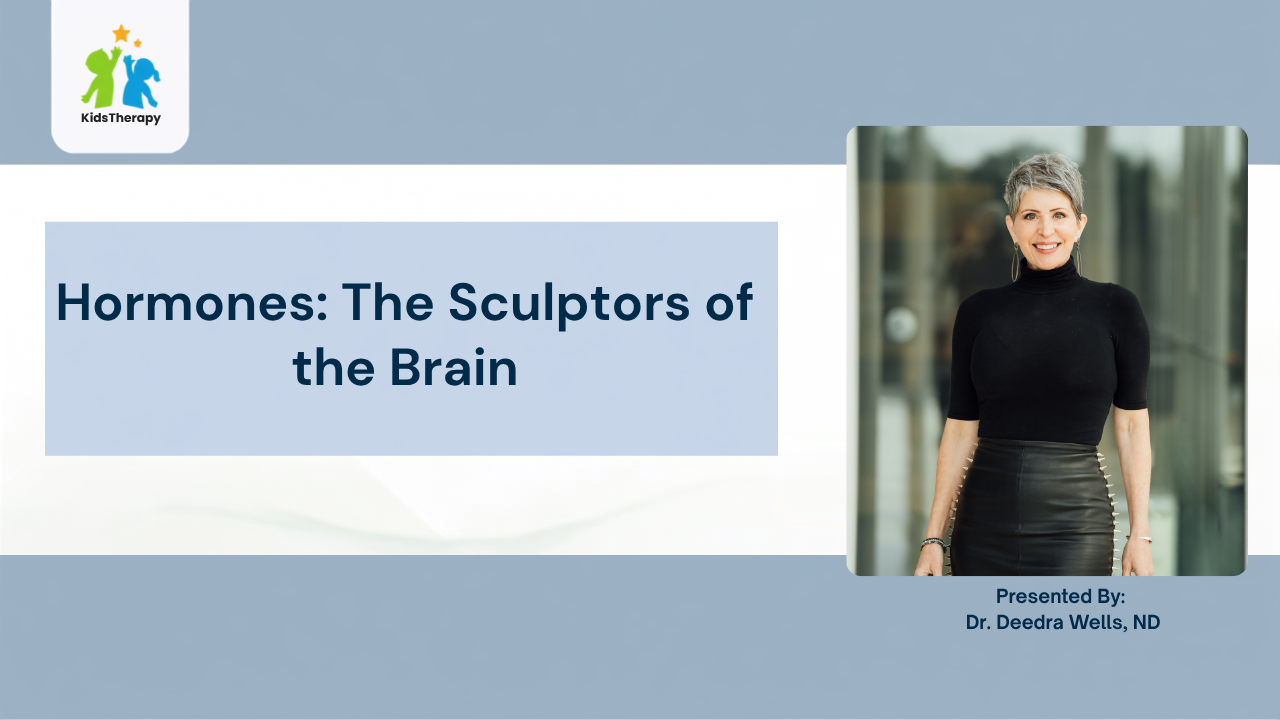
Hormones: The Sculptors of the Brain
North Dakota Professionals Coupon Code: Please fill out the eligibility from here
Hormones influence far more than reproductive health; they play a central role in mood, cognition, energy, connection, and drive. Understanding these systems in context can give clinicians a more complete picture of complex patient presentations.
Join us for an engaging exploration of the gut-liver-brain-gonadal-thyroid axis and learn how hormonal signals, circadian rhythms, and metabolic pathways interact to influence mental and cognitive health.
You’ll learn how to:
-
Understand why hormones should be interpreted in relationship to their counterregulatory partners and broader physiologic systems
-
Recognize cortisol’s circadian pattern and identify patterns associated with stress-related dysregulation
-
Explore how DUTCH testing and circadian markers can provide additional insight into cortisol, estrogen metabolism, and methylation patterns
-
Understand the neurobiological roles of estrogen, progesterone, testosterone, and oxytocin in mood, connection, cognition, and drive
-
Examine how gut and liver function influence estrogen metabolism and thyroid signaling
-
Explore thyroid assessment beyond TSH, including the role of reverse T3
-
Apply practical strategies involving morning light exposure, sleep, nutrition, micronutrients, and circadian regulation
Turn hormone physiology into a more comprehensive approach to patient care.
Whether you work with patients experiencing mood changes, fatigue, cognitive concerns, hormonal transitions, or stress-related symptoms, this course will help you connect the dots between hormones, the brain, and whole-body physiology.
Enroll today and deepen your understanding of the hormonal systems that shape how patients think, feel, connect, and function.
This effort is associated with North Dakota’s Pediatric Mental Health Care Access (PMHCA) Grant, funded by the federal Department of Health and Human Services (DHHS), Health Resources and Services Administration (HRSA), administered through the North Dakota Department of Health and Human Services – Behavioral Health Division.